
What lessons did the 2026 World Classic leave us?
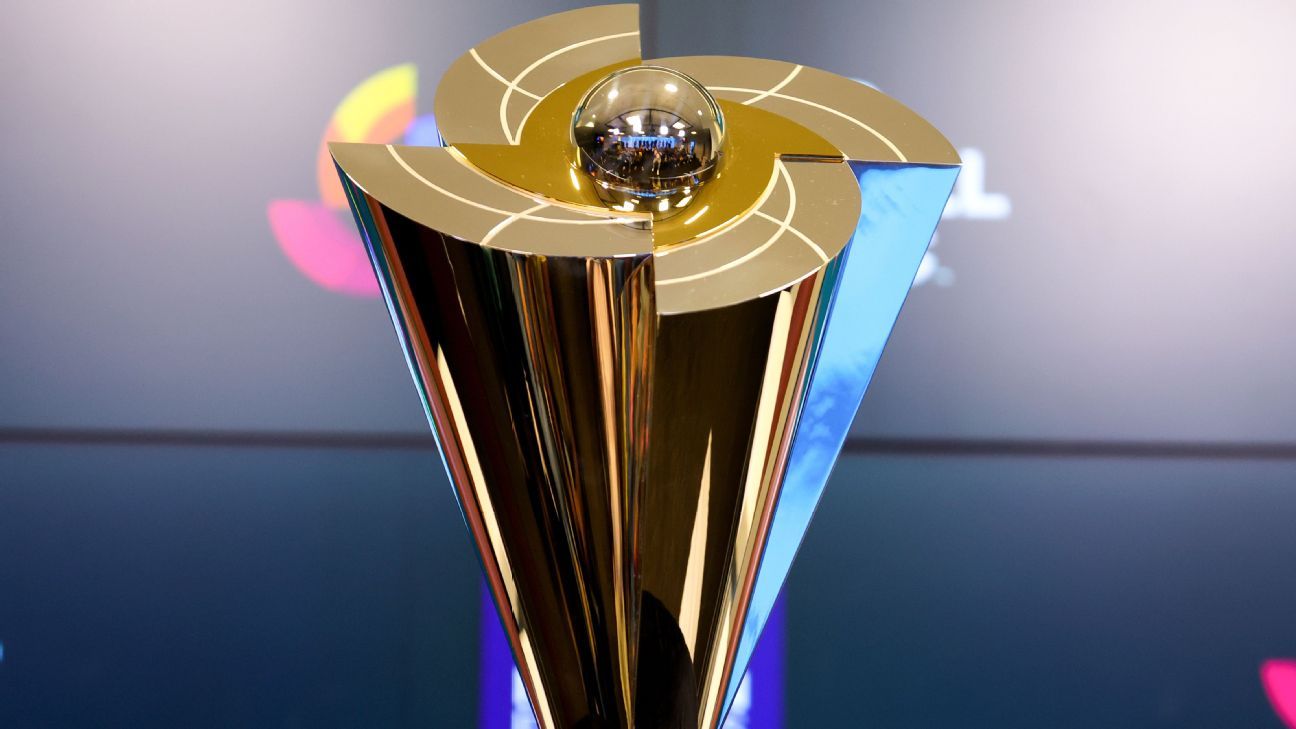
The World Classic left many emotions, a debut champion and several topics to reflect on.
MIAMI – With a historic victory of Venezuela about USA and an important organizational success closed the sixth chapter of the World Baseball Classic that took place between March 5 and 17 in four venues (Tokyo, San Juan, Houston and Miami) with the participation of 20 teams for the first time.
Twenty years have passed since the first edition and the Classic continues to establish itself as the main tournament for national teams in the world. Each new version surpasses the previous one in participation of the biggest stars of the game, public interest, fan attendance at the stadiums and profits for those involved.
However, there are issues that could be improved for future editions. We ask our experts Juan A. Recio, Damián Delgado Averhoff and German García an approach to those topics that need a deeper look from those involved in the organization.
Globalization of the World Classic
The World Classic needs to start moving. Change venues. If the interest of MLB, the Major League Players Association (MLBPA) and the World Baseball Softball Confederation (WBSC) is to globalize the sport, it is mandatory to take the product to other geographies.
You have to find a middle ground between growth, profits and expansion.
Entering new markets involves risks, including probable losses, however, it is the quickest way to establish the sport beyond the usual countries. Take a group to London, Amsterdam, or Cape Townit doesn’t sound very profitable today, but who knows if tomorrow…
The release review system can’t wait any longer
Human error will always be a part of professional sports. As long as human beings continue to be its main protagonists, that is a reality as true as the fact that the sun rises every day somewhere on the planet. Another undeniable reality is that sport is obliged to improve so that these types of errors have the least possible impact on the fate of the matches.
During this edition of the World Baseball Classic, there was a general complaint about the strike zones of some umpires and even the anticipated meeting between United States and Dominican Republic It culminated in a controversial decision.
As was the case with the review of plays at the bases, the pitch review system is a necessity that must be implemented immediately at the event to ensure that, whatever the result, it leaves teams, players and fans as satisfied as possible.
The 2026 MLB season will be a great thermometer to demonstrate how useful and necessary the system is, as was the pitch clock at the time, which has done so much good for baseball.
Eligibility rules with some limit
The eligibility rules of the World Baseball Classic have allowed us to have stories as interesting as that of Italywhich was just a few innings away from reaching the final. Much of its success was due to naturalized players, born in the United States, who decided to represent the country of origin of their parents and grandparents.
No matter how one may feel or think about naturalizing players to represent a country in which they were not born, seeing the dedication of those same players for those countries, representing their culture and being able to help the development of the discipline in said nations, is an important way to promote the sport and foster the love of baseball in places where others dominate.
That is the way to create the new generation of players who will be born in those countries and, eventually, will represent them in future editions of the World Baseball Classic. However, establishing a minimum quota of natives could boost the development of the country and would avoid the phrase that was spread during the tournament: Italy, “as Italian as Olive Garden”.
Transparency in the group draw
Every time the World Baseball Classic arrives, you don’t feel the excitement at all about how the groups will be formed. What’s more, they even already suspect how they will be in the next Classic. It seems more like a league than an unpredictable tournament where the best wins.
In 2026 there were too many questions because MLB arranged everything so that USA and Japan They will face each other in the final. The problem was that Venezuela ruined their party and… incidentally, their business.
Justice for the little ones
There are many teams that since the start of the Classic have already had their days numbered due to their lower competitive level, but they live in the moment with all the enthusiasm possible. However, they compete at a disadvantage. It is not enough that they are inferior, but they are also harmed by the calendar. In it Group A, Colombia and Panama They had no days of rest. They played from Friday to Monday. In it Group B, Great Britain and Brazil They were the victims; in it Group C, Chinese Taipei and, in the Group D, Nicaragua and Israel.
But how does it affect them?
In the pit. With such strict pitching rules, they do not allow the full recovery of some pitchers to use them on different occasions unlike other teams such as the Dominican Republic, Venezuela or Mexico, to mention a few, who had two days of rest to recover their pitching.
Insurance companies have to stop
It must be addressed in the negotiations of the new collective agreement during the 2026 season, that insurers cannot condition the event as they did now.
It is natural for teams to protect their assets, but do so in a transparent way. Some players could not participate due to insurance and the arguments were very questionable. It seemed, we used a baseball phrase to illustrate it, that the strike zone was wide for some and narrow for others.
