
"I would like to be remembered as a happy, hard-working person who is passionate about my sport, basketball."
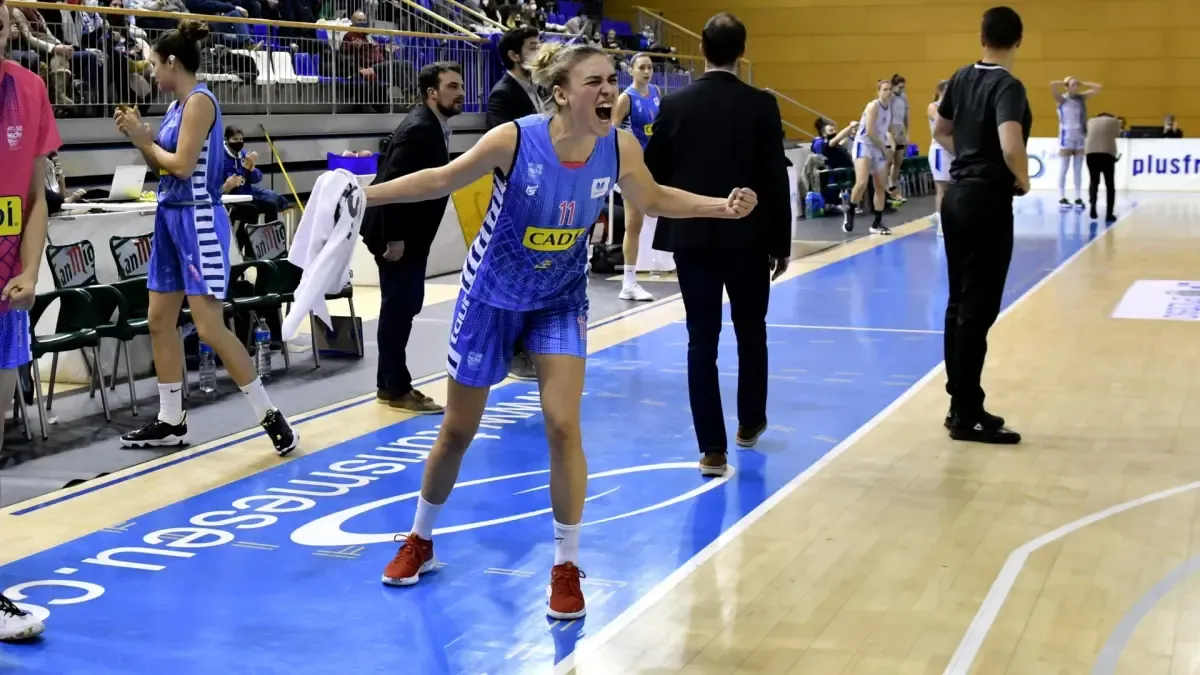
After a long and distinguished career in the elite basketball. Ariadna Pujol (Mataró, 1995), which includes his time in NCAA with the South Florida You boil, more than five seasons and the captaincy to the Cadí la Seu, as well as stages in the Barça CBS, to the Scottish basketball and to Celtic. Ariadna Pujol has decided to put end point to his career as player
Pujol, In the 2024/2025 season, he made the decision to leave active competition, playing his last game in April 2025. After close That stage, he began his internship in the field of sports psychology that same year (2025).
Although did not start the season in September 2025 As planned, he fully resumed his activity and professional projects in February 2026, leaving behind the 2025/2026 season without competing on the slopes.
Beyond the victories and of the securities, he Mataró escort has had to live together with the other side of sport: toll of the serious injuries and the management of the mental health before the requirement of the workouts and the competition to the maximum level. In this interview, the former captain review your goodbye to the slopes, the process of assimilating physical discomfort and the importance of take care of the mind in it high performance sport.
In his farewell letter he commented that the decision had been made calmly and thoughtfully. What was that moment or sign when you definitively realized that you had given everything you had as a player?
Well, I don’t think it was a precise moment, but I can tell you that the studies had a lot of influence and also my injuries throughout my sports career, because I already noticed that I could give what I wanted to give.
What is the process of sitting down to write a farewell letter to a sport to which you have dedicated practically your entire life?
Well, I wrote the text in several days. I also changed a lot of words, a lot of phrases, because, I don’t know, it’s one thing that… It’s how you say things in the end, you know? And I wrote it for a few days until I liked it, I showed it to my family, my partner; They liked it, so go ahead.
It wasn’t a precise moment, but I can tell you that the studies had a lot of influence and so did my injuries throughout my sports career.
Former basketball player
He spoke of “getting out of the bubble” and embarking on a new path. How do you face the change in identity from being an elite athlete to building a different routine off the slopes?
Well now that I see it, I mean, I was prepared to take the step, but I also tell you that everything is not a bed of roses. In the end you change, what you say, you change the routine completely.
I left basketball when I was still studying my master’s degree, I was doing internships, so it was a bit like instead of playing sports, I did internships.
I also had a lot of free time, but it was a little… I don’t know how to say it, but it was also a little strange. Now that I have finished the master’s degree, yes, when I have not had a job, it has been a bit complicated, because I had nothing to do, except look for jobs, and that is also complicated.
What have been the key factors or the main trigger that led you to say “this far” and take the definitive step of retiring from professional basketball? »
One of the key factors is that I am 31 years old and, in the end, I do not have any experience in my field of work (psychology) and I wanted to focus it there, a little.
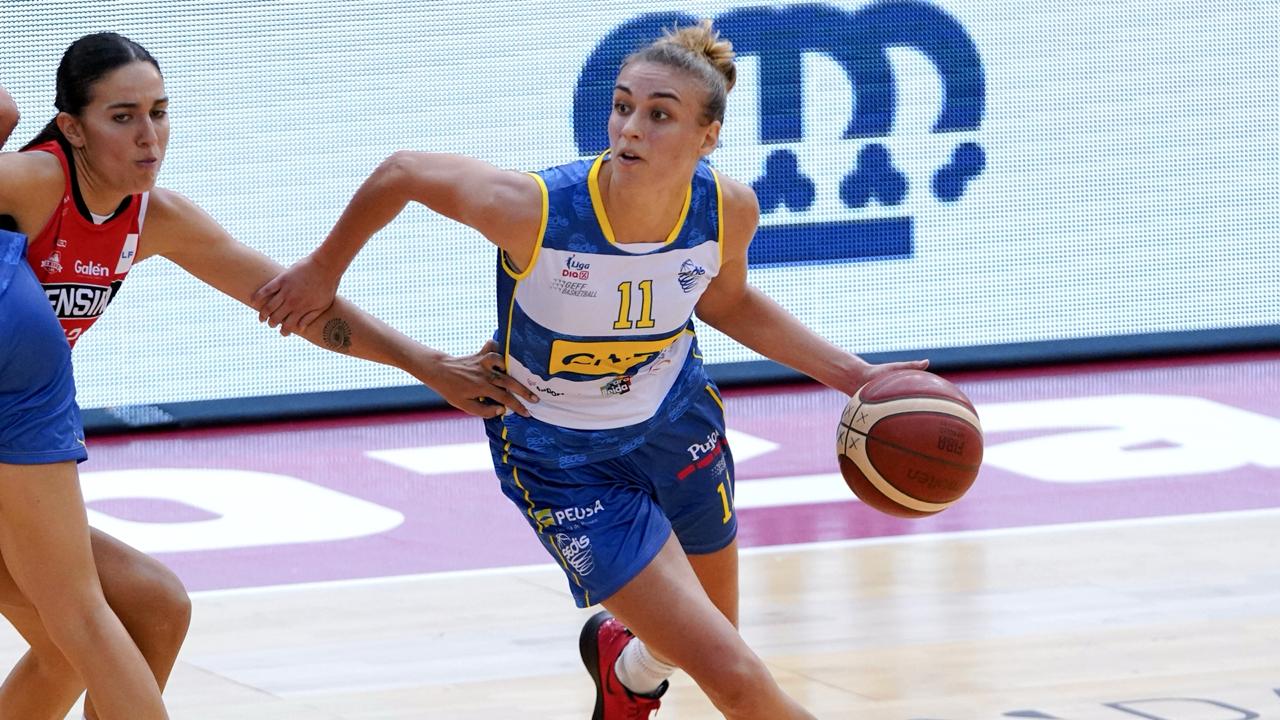
When she decided to separate her paths from Cadí La Seu in 2023, she highlighted the need to put herself before everything. How much weight did mental health have in that decision and in your vision of this sport?
After almost six years at the Cadí La Seu, I think I needed a change, although my partner is from here, from La Seu, and was very comfortable. I also needed other environments, other stimuli and that’s why I changed teams.
How do you manage on a day-to-day basis the pressure of high performance, demanding training and the responsibility of being captain or a leader in a team as you were at Cadí la Seu?
Well, I think that with a good psychologist in the end, because it also helps you understand things about the sport that you may see for yourself, but you don’t reflect on it and in the end you don’t have as much pressure as in football or men’s basketball.
But the truth is that you do want to do your best and sometimes you push yourself a little to do better and better, and that’s why you need a good psychologist to start on a good path, a good direction for your mental health and basically be able to continue playing.
With a good psychologist in the end, because she also helps you understand things about the sport that you may see yourself, but you don’t reflect on it and in the end you don’t have as much pressure as in men’s basketball.

Former basketball player
Do you think that in women’s basketball there has been a change in the way mental health is talked about in recent years, or are there still taboos when it comes to recognizing that a pause is necessary?
I think that it is becoming less and less stigmatized because, simply, when I was 20 years old, I knew that some of my teammates went to the psychologist and I thought that they only went to the psychologist because you are very bad, very bad, very bad.
Our own self-demand tells us that hiring a psychologist is for the weak and that is why in the end you don’t end up taking the step, but in the end it is also important to be mentally strong so that they can help you solve problems more easily.
What tools or supports were key for you in moments of most intense emotions or mental exhaustion, whether in training, in a match, etc.?
I think that over the years everything has been relativized a little. Take advantage of things and enjoy the moment. I know that it is very zen to enjoy the moment, but I think that’s what it is, relativizing the problems and that everything passes and that.
Relativize everything a little. Take advantage of things and enjoy the moment
Former basketball player
Injuries are the most bitter part of sport. What has been the toughest physical challenge or injury you have had to face throughout your sporting career?
I think the first, longer-term injury was the most difficult because I didn’t know what I was facing; Even if I was 20 years old, I didn’t know if I was going to come back the same or better or how much better, or if it was going to hurt later when I played again.
And at the end of each of the long-term injuries that I have had, which have been three, due to bad luck, from each moment I have had bad moments and also good moments to get to know myself a little more.
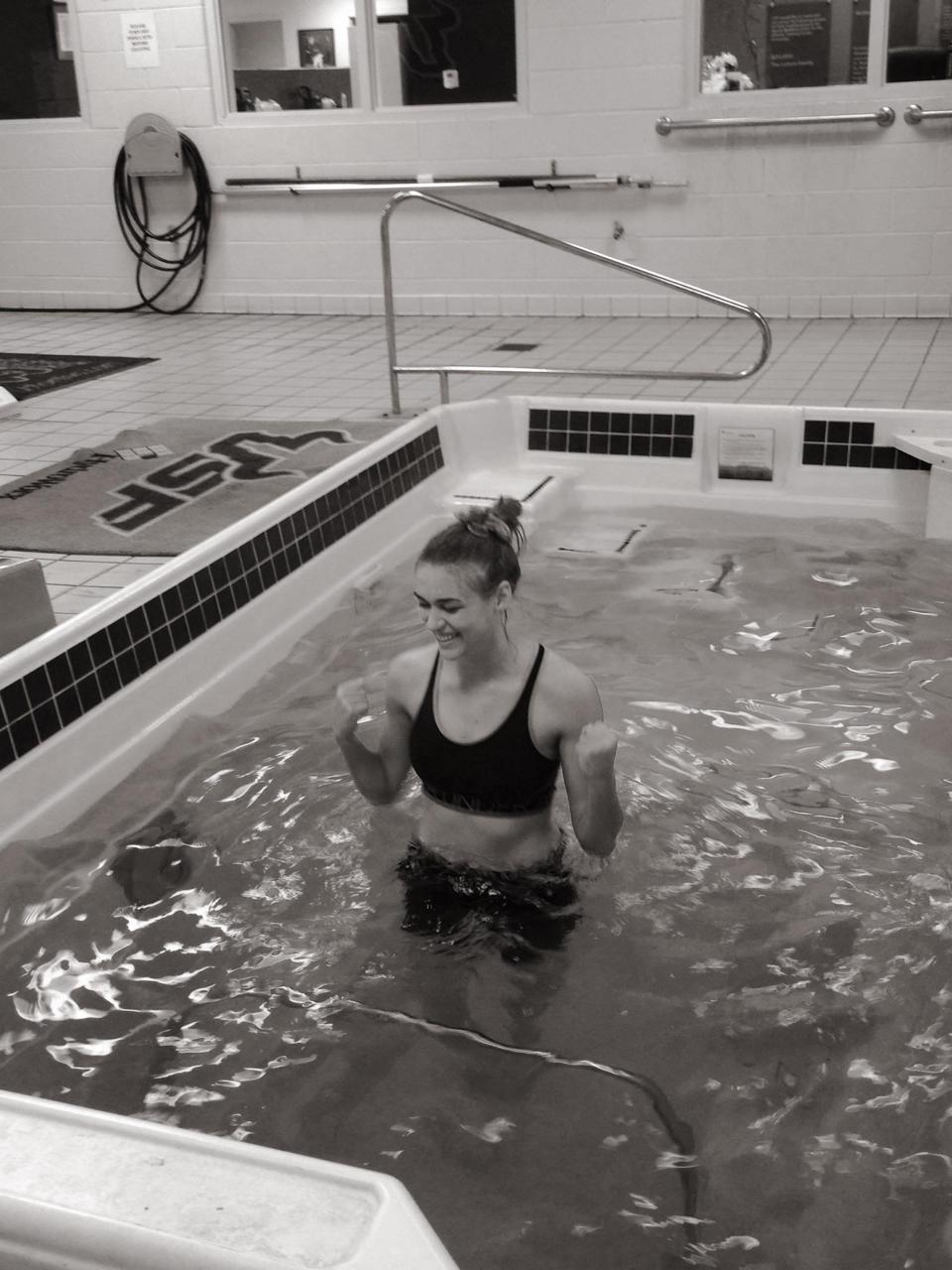
On a psychological level, how do you work through the uncertainty of recoveries, the physical pain and the fear of not returning to the same level you were at before?
It’s a little difficult about uncertainty because in the end you have good days and bad days. On bad days you see everything cloudy, I’m not saying black, but gray. And it is difficult to convince yourself that everything will turn out well, but with experience I have seen that you get something good out of every situation.
I consider myself a very optimistic person and thanks to how I am, my personality, I have moved forward despite the injuries.
In the end you learn from the experience of your pain and in the end that is what I didn’t say until the last two years: Okay, it hurts, I’ll stop.
Former basketball player
At what point does an athlete learn to listen to his or her own body and accept its limits before crossing a dangerous line?
I think that has cost me my entire sporting life because, in the end, for example, you noticed discomfort during training and you didn’t want to say anything in case they thought you already had an injury or if you weren’t going to train or if because of that you were going to play less or they weren’t going to trust you as much.
In the end you learn from the experience of your pain and in the end that is what I did not say until the last two years: “Okay, it hurts, I’ll stop.” I’ll stop this training and we’ll treat what hurts me or what doesn’t hurt me.
From your time at Cadí La Seu to your time at Barça or your experiences abroad with the South Florida Bulls, what moment or learning experience are you most proud of?
I think I feel proud of my entire professional career because in the end I also spent four years in South Florida, which in the end were from the ages of 18 to 22, in the university stage, and in the end you are not fully mature and you learn a little from each stage until the end in Celta Baloncesto, which is when I already reconsidered retirement and everything helped me a little in the end.
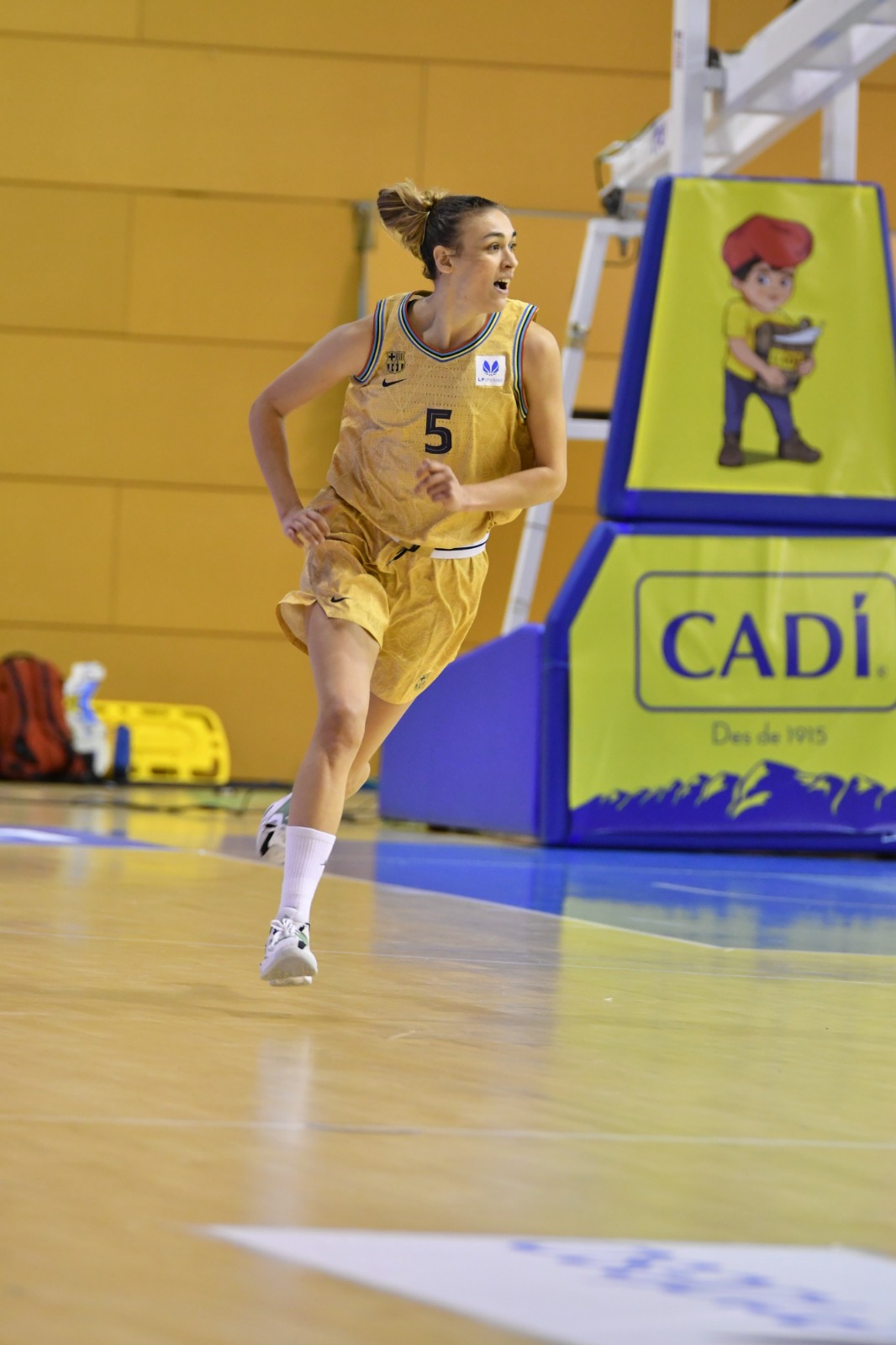
How do you now see the influence of university basketball on young Spanish talent? What do you think has changed compared to when you were in the NCAA?
I think so but simply because of the influence of social networks because in the end when I was in the United States it was the rise of Instagram and we didn’t see as many videos from here and not as many things were posted and now TikTok, Instagram or anything is just a click away from our phones.
How would you like to be remembered in the world of women’s basketball, both on and off the court?
I think that as a happy, hard-working and passionate person about my sport, basketball.
Now that the pavilion has changed for a new routine. What are you currently doing professionally or academically and how is that adaptation going?
The change of course has been an intense, but very enriching process. Leaving the pavilion as an athlete leaves you with an important void, but approaching it now from sports psychology allows me to remain linked to the track and high performance, just from a different perspective.
Accompanying other athletes in mental management, pressure and moments of transition is a beautiful challenge and I feel that my own experience gives me a very valuable tool to understand them better.
