
Dori Ruano, on Spanish women’s cycling: “The base is coming strong”
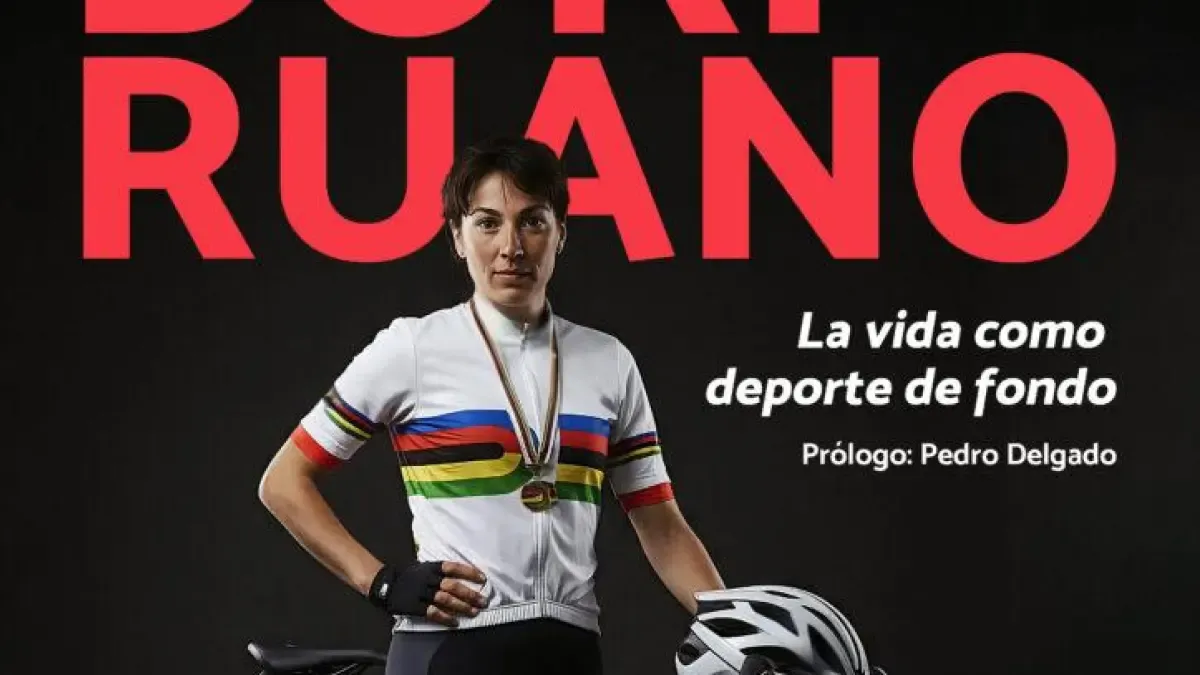
The legendary ex-cyclist Dori Ruano valued the great moment that Spanish women’s cycling is experiencing, which faces this Friday the Europeanin which you can “get some more medals” and considered that “if you see the results in lower categories it means that the base is strong,” he told EFE.
“For there to be young girls, there have to be role models at the top. When you see that the lower categories have medals or sporting successes, it means that things are being done well from below,” he explained in reference to the medals won a week ago in the Montreal World Cup.
Precisely there, Alejandra Neira She was proclaimed junior world road cycling champion. A fact that, together with Navarra’s intercontinental gold last year, he described as historic. “Two Spanish runners have won gold, there is no such event to date.”
Regarding the next European, Dory considered that “the normal thing is that after World Championship “The euphoria, the motivation and the medals continue.”
The key is to educate
Legendary ex-cyclist and pioneer of women’s cycling and equality in the world of sport.
According to the woman from Salamanca, who has actively fought for the recognition of women in cycling, it is something that “is achieved as the triumphs and results emerge” and that the focus is on “commercial houses continuing to support women’s cycling, that there be more economic contributions because the institutions give as far as they give.”
“In my time, men’s gold did not have the same media impact. More is demanded of women, so society and the press must be educated,” he told Agencia EFE.
Dorywho became world track cycling champion in 1998 in BordeauxIn her own words, she went from “having nothing to having everything” thanks to her talent, effort and tenacity, but as she herself explains, the path of “a woman cyclist in a man’s world” was not easy.
For example, when remembering the 1990 Japan World Cup He highlighted: “Our competition was not about effort, sacrifice or demonstration, but rather we went to the World Cup to go sightseeing. Those were the hardest things we had to hear.”
Finally, in that championship the women’s team time trial team achieved the best place among the Spanish; the sixth place.
Roan considers that it is necessary to assess the “effort, not the data” of cyclists, since “the physiology of women is different from that of men, so the same mileage cannot be done in men and women. What we have to see is the effort.”
“We have to do our stages, our cycling, regardless of what the men do. We are going to demand based on what we can give.”
