
Giovanni Malagò, new president of the Italian Football Federation
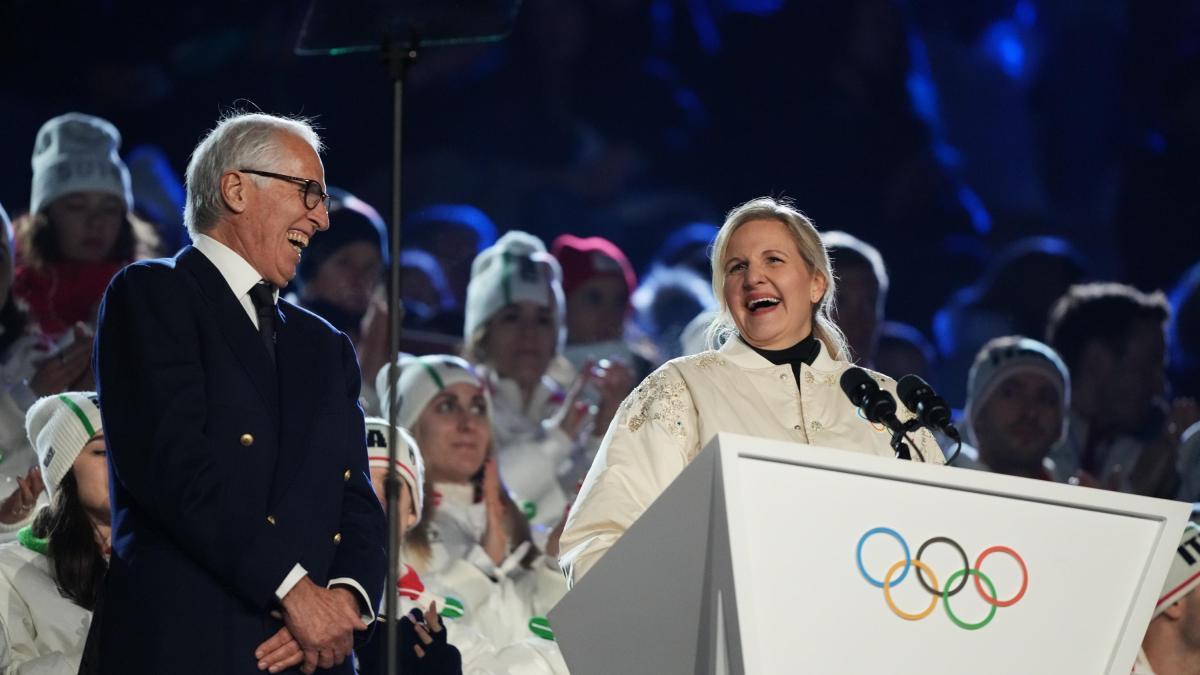
Giovanni Malago was elected this Monday president of the Italian Football Federation (FIGC) after beating Giancarlo Abete, and assumes the reins of the organization in order to rebuild it after the crisis it is going through, evidenced by the team’s absence from a World Cup for the third consecutive time.
Malagowho chaired the Italian National Olympic Committee (CONI) from 2013 to 2025, assumes the position replacing Gabrielle Gravinewho resigned after the institutional crisis unleashed when the “Azzurra” was left out of the highest international event and which led to a wave of resignations.
The Italian won the elections with 343,048 weighted votes, which represents 68.58%, while Abete obtained 145,976 votes (29.17%), with 2.25% blank votes.
The program with which Malago achieved the presidency, titled “United for the future of Italian football”focuses on the structural modernization of the sector and financial sustainability.
Among its priority measures are the reform and renewal of stadium infrastructure, the optimization of income derived from audiovisual rights and the digitalization of federation processes.
The new president’s strategic plan also includes incentives aimed at promoting opportunities for young talent and their incorporation into the elite, with the aim of returning competitiveness to the senior team in the short and medium term with the young stars of national football.
Another of the immediate challenges of Malago in front of the FIGC will be the designation of the new coacha vacant position after the departure of the previous coaching staff and which is considered the cornerstone to begin the sporting refoundation of the “Azzurra”.
Local media reported that Roberto Manciniwho already led the national team, is emerging as the top candidate to take over and lead the new project.
Malago managed to gather the necessary support within the complex voting system of the assembly, in which 266 delegates participated with a weighted value of 516 votes.
The elections were decisive because they opened the debate on the modernization of ‘calcio’, affected by problems such as lack of competitiveness, poor talent management and the need for structural reforms.
Its voting system, based on delegates from different sectors of football, with different levels (Serie A, Serie B, Lega Pro, amateur football, footballers and coaches) forces it to seek broad consensus and reinforces its political and institutional dimension.
The Italian, whose candidacy had the majority support of the Serie A clubs, managed to divide the Serie A block National Amateur League (NLD)led by its rival, Abete, a veteran leader who presided over the organization between 2007 and 2014.
Malagò directed the CONIthe body in charge of coordinating and supervising the country’s sports system, including national federations such as the FIGC itself.
